The Science of Spaced Repetition: How Language Lift's Knowledge Bank Works
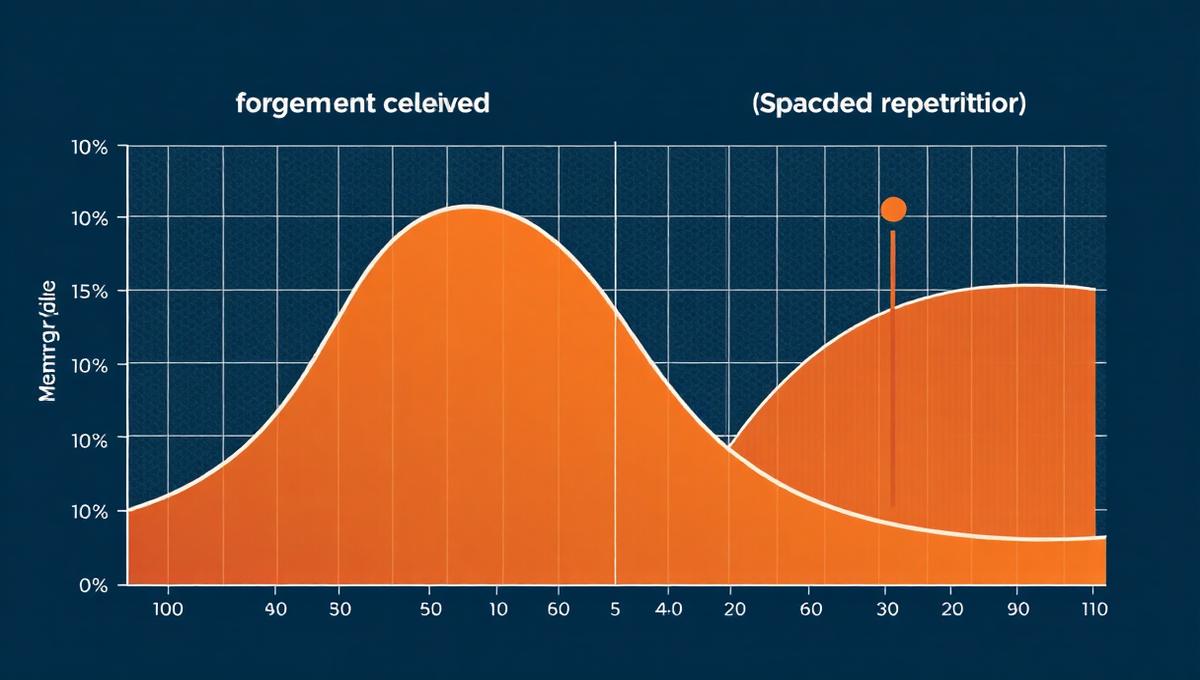
Spaced repetition is the single most proven method for long-term vocabulary retention. Here's the science behind how our automated scheduler works.
Science-backed insights to help you learn smarter, retain more, and reach fluency faster.
Get new articles in your inbox
We publish weekly — no spam, unsubscribe anytime.
A complete, step-by-step pre-read companion for beginners starting German A1.1. Every concept is explained in clear English with authentic German sentences, high-frequency verbs, and structured reference tables so you walk into every lesson already understanding the rules.

Research shows that structured, sequenced learning dramatically outperforms the random lesson approach used by most language apps. Here's why — and what to look for.

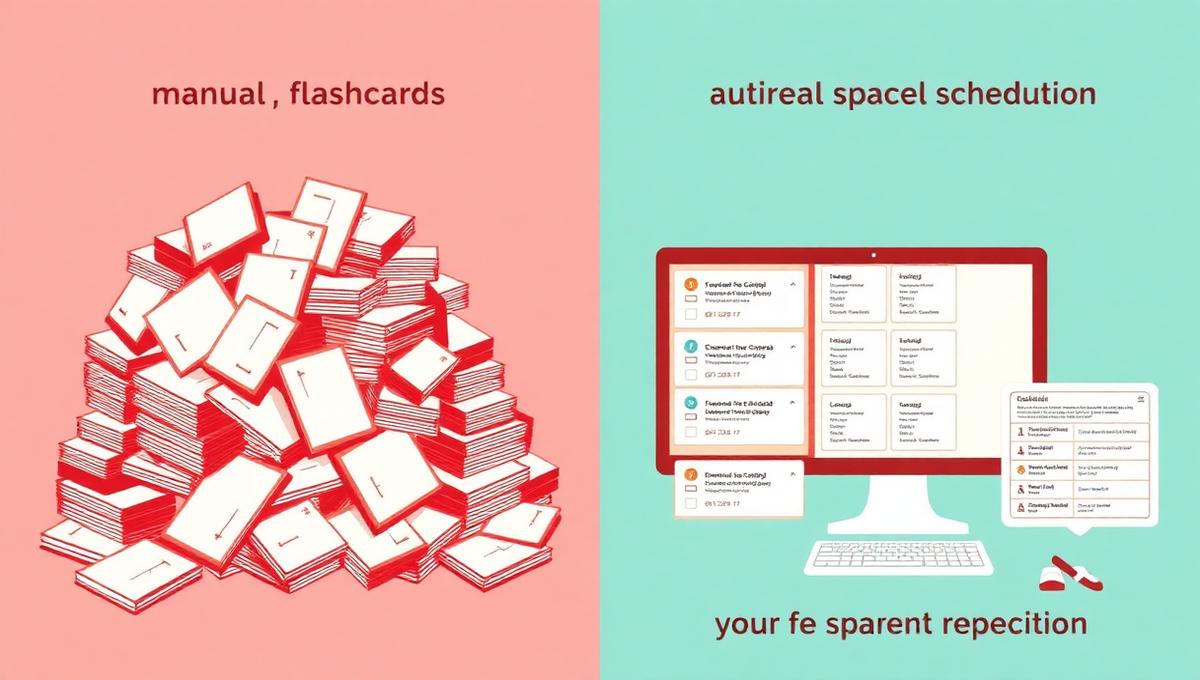
Spaced repetition is the single most proven method for long-term vocabulary retention. Here's the science behind how our automated scheduler works.

Language isn't just vocabulary recognition — it's four distinct cognitive skills. Here's why having over 70 exercise formats accelerates fluency.

Master the foundational 100 German words that make up over 50% of everyday spoken German. Complete with grammatical genders (der, die, das), plural forms, and example sentences.

Demystify Nominative, Accusative, Dative, and Genitive cases. Learn how German cases work, why they exist, and how to master definite and indefinite articles without tears.

Tapping words on a screen gives learners an illusion of competence. Cognitive psychology proves why free recall and active production are mandatory for fluency.

Demystify German separable and inseparable verbs. Learn how prefixes detach in main clauses, reunite in perfect tenses, and interact with modal verbs and subordinate clauses.

Master German sentence structure and syntax. Understand the Verb-Second (V2) rule in main clauses, the TeKaMoLo rule for multiple adverbials, and verb-final word order in subordinate clauses.
CEFR A1.1 Pre-Read · Part 1/5Your Lesson 1–2 pre-read guide for German A1.1. Learn how German personal pronouns work, when to use 'du' vs. 'Sie', how to conjugate 'sein' (to be) and 'haben' (to have), and how to build any regular present-tense sentence.
CEFR A1.1 Pre-Read · Part 2/5Why does German have three words for 'the' (der, die, das)? In Part 2 of our A1.1 Pre-Read Series, discover reliable gender-ending shortcuts, how 'ein' and 'eine' work, compound nouns, and the 5 plural patterns.
CEFR A1.1 Pre-Read · Part 3/5Ready to build full sentences and ask questions in German? Part 3 of our A1.1 Pre-Read Series explains the unbreakable Verb-Second (V2) law, why 'Heute ich arbeite' is wrong, W-questions (wo, woher, wohin), and Yes/No questions.
CEFR A1.1 Pre-Read · Part 4/5Why does 'der Kaffee' change to 'Ich trinke den Kaffee'? Part 4 of our A1.1 Pre-Read Series makes the Accusative case effortless, breaks down when to use 'kein' vs. 'nicht', and introduces possessive articles (mein, dein, Ihr).
CEFR A1.1 Pre-Read · Part 5/5Finish your A1.1 grammar foundation strong! In Part 5 of our A1.1 Pre-Read Series, master vowel-changing verbs (du fährst, er spricht, sie liest), modal verbs with the sentence bracket (möchten, können, müssen), and time expressions (am, um, im).