Why Structured Curricula Beat Random Lessons for Language Learning
Language Lift Pedagogy Team
Our academic curriculum research group specializes in second language acquisition (SLA), task-based instruction, and CEFR-aligned learning progression.
The Problem with Random Lessons
Most popular language apps serve you a random assortment of vocabulary and grammar, chosen by an engagement-focused algorithm rather than pedagogical hierarchy. You might learn the word for "cat" or "beer" on Monday and passive voice or formal commands on Tuesday, with no logical or structural connection. This random exposure is designed to keep you clicking, but it makes true language acquisition incredibly difficult.
Think about it this way: would you learn mathematics by studying random topics each day? Algebra on Monday, calculus on Tuesday, then back to basic fractions on Wednesday? Of course not. Language is a complex, hierarchical system of rules and symbols. It is no different from mathematics. To master it, you need structured sequence and scaffolding. You can explore the core method on the Language Lift homepage.
What Research Says
Decades of second language acquisition (SLA) research point to one consistent finding: sequenced, scaffolded instruction produces dramatically better long-term learning outcomes than random exposure. When grammar and vocabulary concepts build on each other, learners form stronger mental models and cognitive schema.
Key Principles of Sequenced Curricula
- Comprehensible input (i + 1): New material should be just slightly beyond your current level. If you don't know basic present tense, reading a newspaper article (+5 levels) causes cognitive shutdown, whereas a simple dialogue (+1 level) fuels acquisition.
- Pedagogical Scaffolding: Complex concepts are broken into manageable steps. You learn nominative case before accusative case, and accusative before dative. Each layer serves as a stepping stone for the next.
- Spiral Curriculum: Topics are not just taught once and abandoned. Instead, they are revisited at increasing depth over time. You might learn to describe your daily routine at A1, and then discuss systemic work-life balance at B2.
- Interleaving: Related concepts are mixed within structured sequences. Rather than drilling only one tense for a week, you practice choosing between present perfect and simple past in context.
📚 Free Spaced-Repetition Study Schedule
Sign up today and get a linguist-designed study plan delivered to your inbox.
How Language Lift Approaches This
Our curricula are designed by professional academic linguists and experienced educators. Each chapter builds on the last, introducing vocabulary and grammar in a logical, CEFR-aligned sequence. You don't just learn random words — you learn the exact vocabulary you need to practice the grammatical structures of your current chapter.
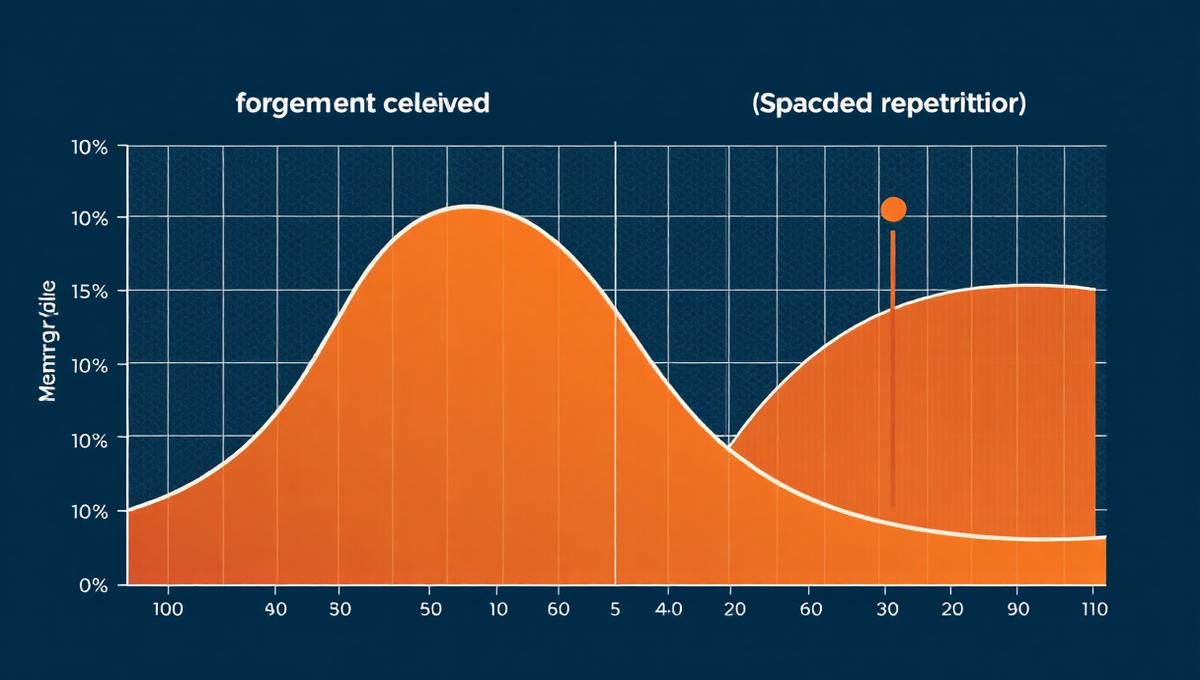
Every lesson in Language Lift is part of a carefully designed progression. When you learn a new grammar point, you already know the vocabulary needed to practice it. Furthermore, the vocabulary you learn is systematically combined with our spaced repetition science to ensure that what you acquire is reviewed before it decays.
The Pitfalls of "Gamified Streak" Apps
The main issue with gamified apps is that they prioritize user retention over cognitive effort. Choosing translations from a pre-made word bank feels productive because you get instant green checkmarks. However, this is a passive recognition task. It does not train your brain to retrieve words from scratch. When you are standing in a German bakery trying to order a croissant, there is no word bank floating in the air. You must actively produce the syntax and vocabulary. A structured curriculum focuses on this active production from day one.
The Bottom Line
If you want to actually reach fluency, you need a structured path — not a daily grab bag of disconnected exercises. That's exactly what Language Lift provides. We guide you through a step-by-step roadmap from A1 to B2, ensuring that every minute you spend studying translates into active communication skills.
Written by Language Lift Pedagogy Team
Our academic curriculum research group specializes in second language acquisition (SLA), task-based instruction, and CEFR-aligned learning progression.