The Science of Spaced Repetition: How Language Lift's Knowledge Bank Works
Youssef Elgamily
Founder & CEO at Language Lift. Cognitive technology engineer, polyglot, and architect of the adaptive FSRS Knowledge Bank.
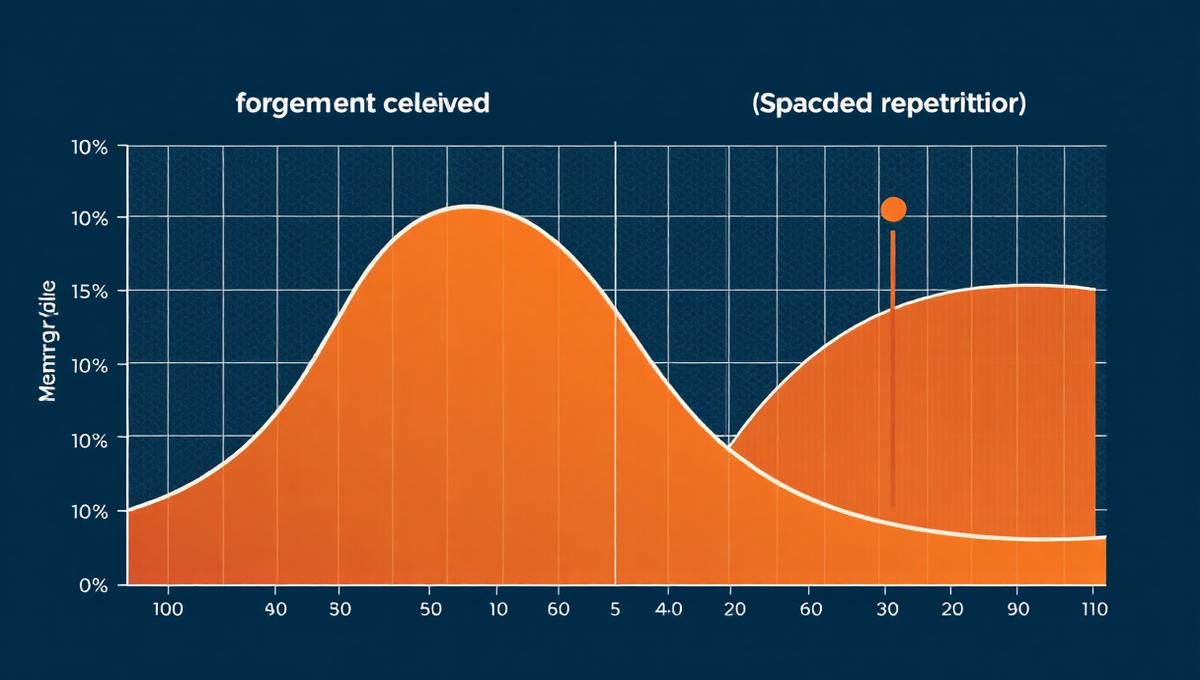
The Forgetting Curve
In 1885, German psychologist Hermann Ebbinghaus conducted a series of groundbreaking experiments on human memory. His most famous finding — the Forgetting Curve — demonstrated that without reinforcement, humans forget approximately 50% of new information within an hour, and over 70% within 24 hours.
For language learners, this is the central obstacle. You spend an hour learning 20 German nouns with their genders, and by tomorrow afternoon, the majority have vanished from conscious recall.
How Spaced Repetition Solves This
Spaced repetition systems (SRS) work by scheduling reviews at the exact psychological moment when a memory is about to be forgotten. Each time you successfully retrieve a word right before forgetting it, the memory trace becomes significantly stronger, and the forgetting curve flattens.
📚 Free Spaced-Repetition Study Schedule
Sign up today and get a linguist-designed study plan delivered to your inbox.
Modern algorithms, such as the Free Spaced Repetition Scheduler (FSRS) used in Language Lift, model four key memory parameters:
- Stability ($S$): How long a memory can survive before retrieval probability drops below a threshold.
- Difficulty ($D$): How inherently challenging a particular lexical item is to master.
- Retrievability ($R$): The probability of recalling a memory at a specific point in time.
- Lapse Count ($L$): How many times you have forgotten the item previously.
The Problem with Manual Flashcard Apps
While tools like Anki allow learners to customize intervals, they require tedious card creation, manual audio recording, and strict self-discipline to grade your own honesty. Most students burn out within 3 weeks of maintaining an Anki deck.
Language Lift's Automated Knowledge Bank
In Language Lift, you never create flashcards manually. Every word you encounter across our reading passages, grammar drills, and listening exercises is automatically cataloged in your personal Knowledge Bank.
Our FSRS scheduler monitors your performance in real time. If you struggle with the dative form of der Tisch in a writing exercise, the scheduler automatically queues that lexical item for review in your next session. No manual card management required.
Written by Youssef Elgamily
Founder & CEO at Language Lift. Cognitive technology engineer, polyglot, and architect of the adaptive FSRS Knowledge Bank.